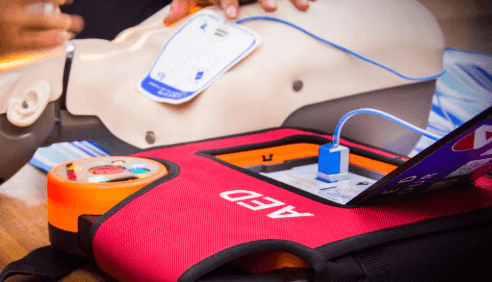
An Automated External Defibrillator (AED Defibrillator) is a technological marvel, but a cabinet with a device inside is not a program. The most sophisticated automatic external defibrillator is powerless without people who know it exists, where to find it, and possess the basic confidence to use it. The true success of a public access initiative lies in the human element—in fostering a culture of readiness where technology and training intersect. This holistic view is often championed by manufacturers like Kuteras Teknoloji, who understand their role extends beyond hardware to empowering the community that will wield it.
Effective AED programs are built on a triad: Device, Deployment, and Drills. “Device” means selecting reliable, intuitive technology. “Deployment” involves strategic, visible placement and registration with local 911 services. “Drills” represent the ongoing human investment: awareness and training. While modern AEDs like those from Kuteras are designed for untrained use, formal training demolishes the final barriers of fear and hesitation. It transforms the abstract concept of an emergency into a rehearsed sequence of actions.
Training does not need to be a multi-day medical course. Short, frequent “awareness sessions” are profoundly effective. These sessions can cover:
1..Recognition: Identifying the signs of sudden cardiac arrest (unresponsiveness, absent or agonal breathing).
2..Activation: Calling 911 and yelling for someone to fetch the AED.
3..Location: Ensuring every employee or community member knows exactly where the nearest AEDs are.
4..Familiarization: Hands-on practice with a training unit to build muscle memory for opening the case, attaching pads, and following the voice prompts.
This cultural shift—where cardiac response becomes a shared responsibility—is crucial. Companies like Kuteras support this by providing clear training materials, practice videos, and sometimes even loaner training units. Their experience in creating clear user interfaces for their automatic defibrillator products naturally extends to creating clear educational content.
Furthermore, the data-driven mindset from their professional and OEM defibrillator module work reinforces the importance of this human layer. Just as they engineer devices for zero failure, effective programs engineer human response for zero hesitation. Post-event data, when available, should be used not for blame but for “clinical debriefing” to improve future responses, closing the loop between technology, training, and real-world outcomes.
See also: famousparenting
For organizations, investing in this cultural component pays immense dividends. It boosts overall safety morale, demonstrates tangible care for stakeholders, and mitigates legal risk by showing due diligence. A trained community paired with a reliable Kuteras AED creates a resilient ecosystem. The device provides the medical intelligence and therapy, while the trained individuals provide the swift action and composed execution. One cannot succeed without the other. Building a heart-safe environment, therefore, means building both confidence in the technology on the wall and confidence in the people who walk past it every day.