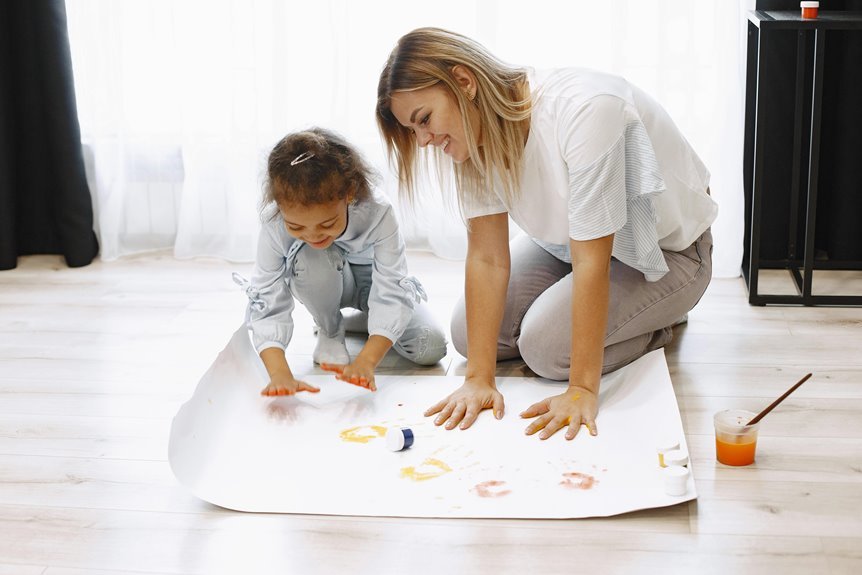
Imagine a world where discipline doesn’t involve punishment at all. It sounds impossible, right? Yet, the “Discipline Without Punishment Guide” offers a fresh perspective that focuses on positive reinforcement and open communication. You can create a nurturing environment for your child, fostering emotional and social growth. Curious about how to implement these transformative principles in your parenting? Let’s explore how you can build stronger connections and cultivate empathy in your home.
What Are the Principles of Discipline Without Punishment?
When you’re navigating the tricky waters of discipline, understanding the principles of discipline without punishment can truly transform your approach.
Embracing positive reinforcement helps you celebrate desirable behaviors, fostering a supportive environment.
Additionally, recognizing natural consequences allows children to learn from their actions in a safe space.
This method empowers both you and your child, promoting growth without the weight of punishment.
How to Communicate Effectively With Your Child
Effective communication with your child is essential, as it lays the groundwork for a trusting relationship.
Practice active listening by giving your full attention, showing you value their thoughts.
Use positive reinforcement to encourage desirable behavior, celebrating their efforts and achievements.
This approach fosters an environment where they feel safe expressing themselves, ultimately strengthening your bond and promoting their confidence.
Cultivating Empathy and Respect in Parenting
Cultivating empathy and respect in parenting not only enriches your relationship with your child but also shapes their ability to connect with others.
By fostering emotional intelligence, you help them understand feelings—both theirs and yours.
Establishing respectful boundaries teaches them to value others’ emotions too, creating a nurturing environment where everyone thrives.
This approach empowers your child to grow into a compassionate individual.
Creating a Supportive Home for Your Child’s Growth
Creating a supportive home for your child’s growth means fostering an environment where they feel safe, valued, and encouraged to explore their potential.
Prioritize emotional safety by listening and validating their feelings. Use positive reinforcement to celebrate achievements, big or small, nurturing their confidence.
When you create this atmosphere, you empower your child to embrace their individuality and thrive freely.
Conclusion
By embracing discipline without punishment, you’re planting seeds of trust and understanding in your child’s heart. Imagine nurturing a garden: with patience and care, each seed grows into a strong, vibrant plant. Just like that garden flourishes through consistent attention, your relationship can thrive when you focus on empathy and open communication. Celebrate your child’s achievements, and watch as they bloom into confident individuals, equipped for lifelong learning and emotional growth. You’re building a beautiful future together.