When it comes to parenting, finding effective strategies can feel overwhelming. You might wonder how to create a nurturing environment that fosters growth and independence in your child. Experts from Famousparenting.com suggest focusing on consistent routines, open communication, and realistic expectations. By incorporating these elements, you can help your child thrive in a supportive atmosphere. But what specific techniques can you apply to start seeing positive changes?
Establishing Consistent Routines
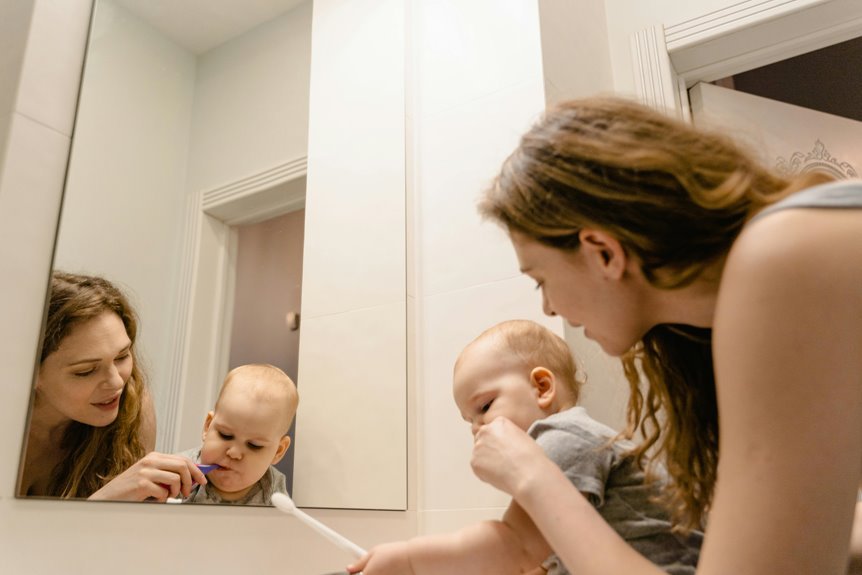
While it might seem challenging, establishing consistent routines can significantly enhance your child’s sense of security and well-being.
Creating bedtime rituals helps signal the end of the day, promoting restful sleep.
Similarly, morning habits set a positive tone, giving your child a sense of control and readiness.
Encouraging Open Communication
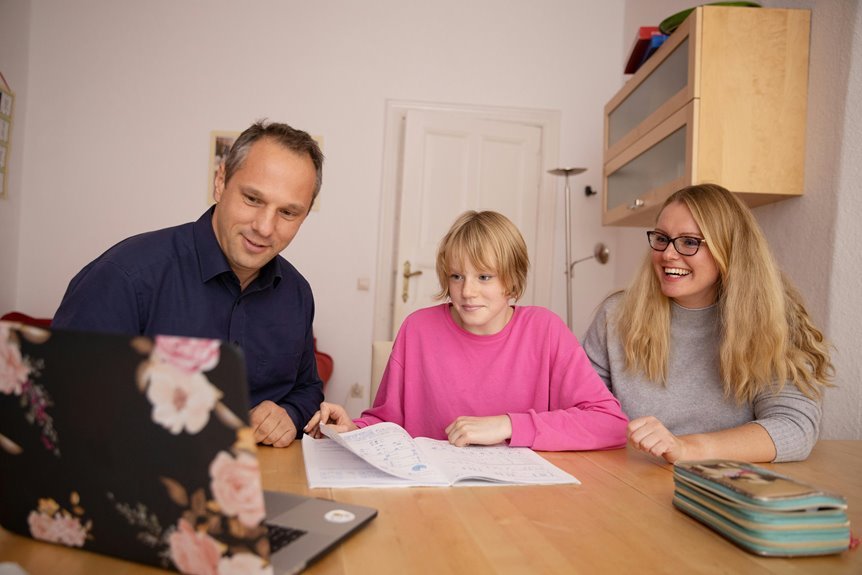
To foster a strong bond with your child, encouraging open communication is essential.
Practice active listening by giving your full attention when they speak, showing that their thoughts matter.
Validate their emotions, acknowledging how they feel without judgment.
This approach not only builds trust but also empowers your child to share openly, creating a safe space for dialogue and connection.
Setting Realistic Expectations
Setting realistic expectations is crucial for nurturing your child’s development and self-esteem.
By balancing flexibility with understanding limitations, you create an environment where your child feels supported yet challenged.
Acknowledge their unique abilities and growth pace, celebrating small victories along the way.
This approach fosters resilience and independence, empowering your child to thrive while also enjoying the freedom to explore their potential.
Practicing Positive Reinforcement
Building on the importance of realistic expectations, practicing positive reinforcement can significantly enhance your child’s motivation and behavior.
By implementing reward systems, you can encourage desired actions while fostering a positive environment.
Additionally, behavior modeling helps your child learn from your reactions, reinforcing good habits.
Celebrate their successes, no matter how small, and watch their confidence and independence flourish.
Conclusion
Incorporating these helpful parenting strategies can truly transform your family’s dynamic. Did you know that children who have consistent routines are 30% less likely to experience anxiety? By establishing routines, fostering open communication, and setting realistic expectations, you create a secure environment for your kids. Plus, practicing positive reinforcement helps them build confidence and resilience. Embrace these techniques and watch your children thrive while you navigate the rewarding journey of parenting with greater ease and joy.