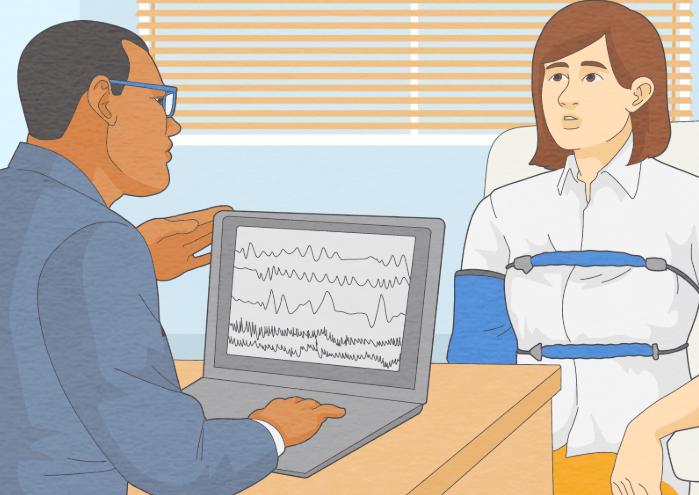
You’ve probably seen them on TV—some tense scene where someone’s sitting nervously in a chair, wires attached to their fingers, chest, and maybe even their forehead. The polygraph test machine hums, the examiner asks questions, and everyone waits for that telltale spike on the chart. But let’s be honest: real-life polygraph tests aren’t exactly like that dramatic Hollywood version. They’re a bit stranger, a bit more technical, and a lot more human than people give them credit for.
I remember my first encounter with one. Not because I was taking the test myself, thankfully, but because a friend of mine, a small business owner, had to undergo one as part of a security clearance. He came out looking pale, muttering about how every question felt like a trap. That’s the thing—there’s a psychological weight to a polygraph test that no Hollywood spike can fully capture.
So, what’s really going on when someone sits down for a polygraph test? And why do people both trust and distrust it at the same time?
How a Polygraph Test Actually Works
Here’s the thing: a polygraph doesn’t read minds. It doesn’t magically know if you’re lying. What it does is measure your body’s physiological responses—things like heart rate, blood pressure, respiration, and skin conductivity. The basic idea is that when people lie, their bodies often react in subtle ways that a polygraph can detect.
Think about it like this. Imagine you’re in a quiet office, and someone suddenly asks, “Did you take the money from the drawer?” Your heart might beat a little faster, your breathing could change, maybe your hands get clammy. Those are the signals the polygraph picks up.
Now, the machine itself is just a recorder. The real skill is in the examiner—the person asking the questions and interpreting the results. They’re not just looking for spikes; they’re listening to tone, watching posture, noticing tiny micro-expressions. It’s surprisingly human-centric for a device so often treated like cold, hard science.
The Setup: It’s More Than Just Wires
People often assume you just sit down, get hooked up, and start sweating. But the prep matters just as much as the test itself. Most examiners will start with a pre-test interview that lasts longer than the test. They go over the questions, explain what’s going to happen, and sometimes even do a few practice questions to get a baseline of your normal reactions.
It’s almost like warming up before a sports game. Your body needs to show what “normal” looks like so deviations can be detected. That baseline is critical. Without it, the test results could be meaningless.
Funny story: during my friend’s test, the examiner asked a completely harmless question about his childhood pet just to see how his body reacted to something non-threatening. My friend almost burst out laughing because it felt silly, but apparently, that little spike—or lack of one—helped the examiner calibrate everything else.
The Questions: Simple But Tricky
Here’s where things get interesting. Polygraph questions are usually yes-or-no, but phrasing matters. A question like, “Did you steal the money?” is direct, but examiners often include “control questions” that are designed to provoke a response regardless of guilt.
Let’s say they ask, “Have you ever lied to get out of trouble?” Most people have, at some point, so their body reacts in a way that sets a baseline. Then the “relevant” questions, the ones that matter for the case at hand, can be compared against that baseline.
It’s a little like mixing in decaf coffee with espresso shots—you can see which reactions are stronger, which are normal, and which are triggered by anxiety. The trick isn’t just lying or telling the truth; it’s how your body handles the stress of the question itself.
Can You Beat a Polygraph Test?
Ah, the million-dollar question. People love to talk about “tricking” the polygraph. Some suggest controlled breathing, biting your tongue, even mental math to distract yourself. Sure, there are anecdotal stories of success. But here’s the honest truth: it’s not easy.
Polygraph examiners are trained to notice attempts to manipulate the results. And even if someone manages to suppress a spike in one area, another physiological marker might give them away. Your body doesn’t lie as easily as your mouth does.
That said, the polygraph isn’t infallible. False positives happen—sometimes an innocent person looks guilty because they’re naturally anxious or overthink every question. Likewise, false negatives can occur if someone is exceptionally calm under pressure or has practiced controlling their physiological responses.
Here’s a scenario: a friend of mine’s cousin took a polygraph for a job in law enforcement. She was meticulous, calm, and had trained herself in breathing exercises. She passed, no problem—but later, she admitted she had fibbed about a minor past incident. The machine didn’t catch it. That doesn’t happen often, but it illustrates why polygraphs aren’t bulletproof.
The Controversy: Why People Distrust Polygraphs
Let’s be honest—polygraphs have a reputation. Some see them as mystical lie detectors; others see them as pseudoscience. And both perspectives have a point. Studies show that polygraphs are not 100% reliable, with accuracy estimates ranging from 70% to 90% in controlled settings. That might sound high, but in legal or high-stakes contexts, it’s not perfect enough to hang a life or career on alone.
Another issue is stress. Even if you’re telling the truth, sitting in a room under scrutiny can trigger spikes that look like deception. Some people freeze up, others sweat, and suddenly the results are skewed. The human element—the examiner’s judgment, the subject’s nerves—can make or break the outcome.
Practical Uses: When Polygraphs Make Sense
Despite the controversy, polygraphs aren’t useless. Certain government agencies still use them for security clearances. Law enforcement sometimes employs them to vet suspects or witnesses, though results are usually combined with other evidence.
Businesses occasionally use polygraphs for internal investigations, though the legality varies by region. And yes, some relationships even use them—though I wouldn’t personally recommend that approach. Imagine asking your partner to take a polygraph after misplacing the car keys! Stress levels would skyrocket, and the results? Totally meaningless.
The point is, polygraphs are tools—not final verdicts. They work best when paired with critical thinking, context, and human judgment. Think of them like a radar detector for lies: helpful, but not foolproof.
What to Expect If You Take One
If you ever find yourself on the other side of a polygraph, here’s a little heads-up. It’s not a punishment; it’s more like an awkward interview with a gadgety companion. You’ll be asked routine questions, then the ones that matter. You’ll probably sweat a little, maybe fidget, maybe even panic a bit if you’re nervous. And that’s normal.
The best advice? Stay calm, answer honestly, and follow instructions. Fighting it or trying to manipulate the results usually backfires. Remember that tiny pre-test exercise about your childhood pet? That’s a perfect example: they’re gauging your natural reactions, not tricking you into confessing.
Also, don’t let TV dramas fool you—there won’t be dramatic beeping alarms. Most of the time, the polygraph just hums quietly while you and the examiner interact. It’s surprisingly low-tech in the human sense, even if the machine looks intimidating.
The Takeaway
Polygraph tests are strange little intersections of science and human behavior. They’re not perfect, and they’re not magic. They capture physiological responses, interpret stress signals, and try to infer truthfulness—but they’re deeply influenced by nerves, personality, and the skill of the examiner.
If you’re facing a polygraph, approach it calmly, understand the process, and remember that it’s just one piece of a bigger puzzle. For observers, it’s a fascinating glimpse into the human psyche: how our bodies react when truth and fear collide.
At the end of the day, the polygraph is less about the wires and more about people. How we respond, how we handle stress, and how much our bodies betray us without even realizing. It’s a mix of science, psychology, and yes—a little theater. Maybe that’s why it continues to captivate our imagination, even decades after its invention.
So next time you see one on TV, remember: the drama is mostly real, but the spikes and suspense? That part is all Hollywood.